What jiu-jitsu costs: membership, gi and entry fees
What you'll pay each month in Tbilisi, what to buy at the start, why a cheap rashguard is a bad deal, what can wait, and what competitions cost.
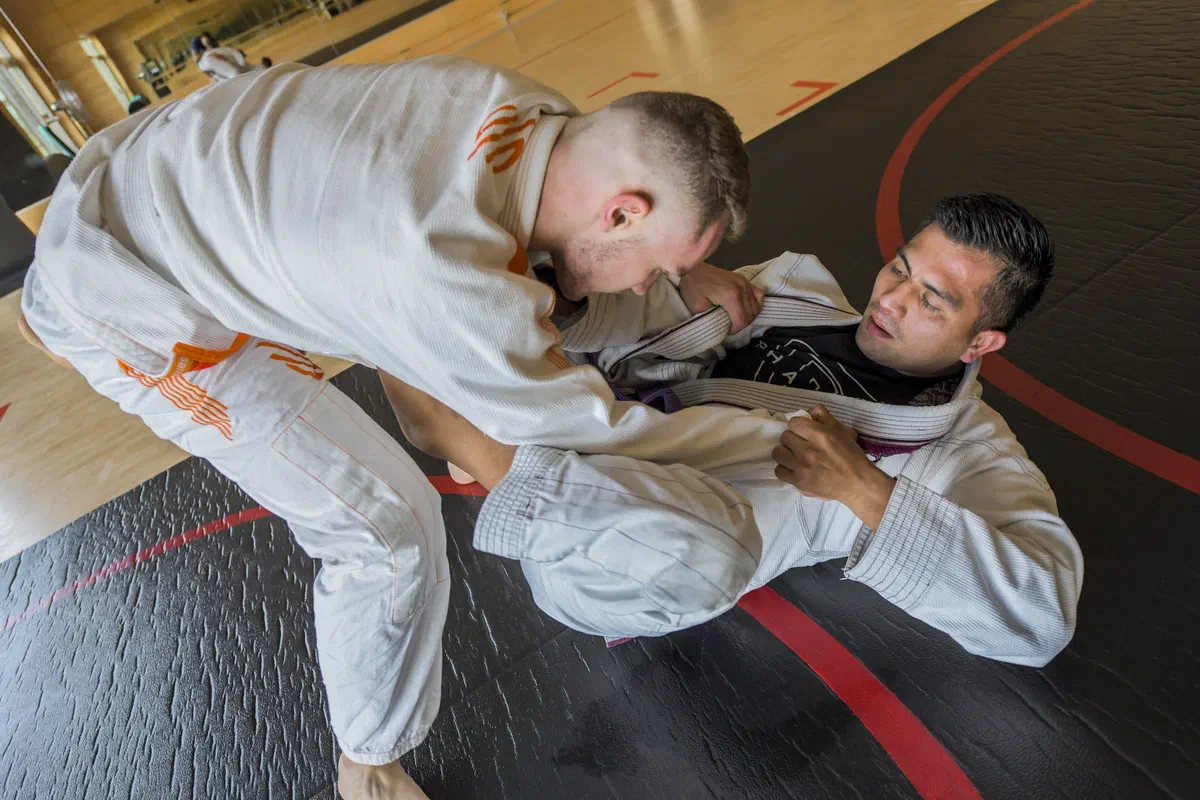

“How much does it cost?” is one of the first questions people ask us. The short answer: the main recurring cost is the monthly membership, everything else comes gradually, and some of it is optional. Here are the main costs to plan for. All prices are as of October 2026.
Monthly membership
In Tbilisi, an adult membership usually costs 150–250 ₾ a month.
In our experience, kids’ memberships are usually cheaper than adults’. As coaches, we think it should really be the other way round, because working with children takes more work, not less. But that’s how the market works here.
Every gym builds its plans differently. Some sell two or three sessions a week, some sell unlimited training, some sell access to specific classes only, and many offer a mix. It depends on the gym and on the area.
Worth asking before you sign up:
- How many sessions a week are included?
- Is there a free trial class? In our experience, most gyms in Tbilisi offer one.
- How many people are in a group?
- Is there a family or sibling discount? Some gyms have one; it varies.
- What happens if you’re ill or travelling: can you freeze the membership?
In our experience, the best membership is the one you’ll actually use. Three regular sessions a week will give you far more than an expensive unlimited plan you use four times a month.
The first month: what you really need
Before your first class, ask whether you need a gi and whether the gym can lend you one. If sports clothes are fine, bring a T-shirt and shorts or track pants, with no pockets or zips. You’ll train barefoot on the mat; bring flip-flops for walking off the mat, and water.
If you decide to continue with gi classes, you’ll need to buy a gi. In our experience, most beginners here, children and adults, start with a judo gi, which costs around 80–150 ₾ in Tbilisi. A jiu-jitsu gi costs around 250 ₾. Many people also order online from abroad. Check whether a white belt is included before you buy. For children, use the manufacturer’s size chart: a gi that’s far too big is awkward to train in, and some gis shrink in the wash.
For no-gi training you need a rashguard and shorts that meet the gym’s dress rules. A good rashguard costs around 80–150 ₾, and good shorts about the same; depending on the brand, either can go up to 200 ₾.
Budget for a properly fitted mouthguard from the start.
Don’t buy the 20 ₾ rashguard
If there’s one thing we’d ask you not to save money on, it’s this. In our experience, rashguards for 20–30 ₾ are a bad buy, and not only because the fabric is poor. The dye is a problem too: we’ve seen the colour come off on people’s skin while they roll. You’re pressed against that fabric for an hour, several times a week. Spend a little more on something made for training.
Our partner Fighters.ge sells rashguards and shorts for grappling and MMA.
What can wait
- A second gi. If your washed gi doesn’t dry before your next class, a second one helps. It depends on your schedule, and you don’t need it on day one.
- Expensive brands. A beginner needs a simple, durable gi. The rest is taste.
Belts and promotions
In our experience, gyms in Georgia don’t charge for the promotion itself, neither for stripes nor for belts. Some gyms ask you to pay for the new belt, because it’s a piece of equipment they have to buy; others give it to you.
Belts depend on your progress and your coach’s assessment, not on money. We wrote about that in detail in our belts article.
Competitions
Competing is optional. Plenty of people train for years and never compete. If you want to, here’s what it costs:
- Smaller local tournaments. From around 40–50 ₾, though most events here now cost closer to 100 ₾.
- Big organisers in Georgia. Fees vary by event. At recent events run here by organisations such as AJP, ADCC, Grappling Industries and Fortis, early registration started at about USD 40, rising to around USD 60–65, and more for late registration.
- Major international events. Big events abroad, such as the World Championships and Grand Slams, can cost USD 100 or more.
- Membership. Some international organisations require a yearly membership or registration before you can enter.
- Travel. For a tournament abroad, travel and a hotel often cost far more than the entry fee itself.
Before you register, check the current fee, deadlines, age category and gi/no-gi rules on the official event page. Upcoming tournaments and their official links are on our competitions page.
Jiu-jitsu and other grappling sports
In our experience, judo, sambo and sometimes chidaoba are often cheaper in Georgia, sometimes free, thanks to state or municipal funding. Jiu-jitsu here is mostly taught in private gyms, which is why it usually costs more. Both have their advantages. Conditions vary everywhere, so before you sign up, go, look at the gym and watch a class. We have a separate article on how these sports differ.
The main costs
- Membership: 150–250 ₾ a month for adults, usually less for kids.
- A gi: 80–150 ₾ for a judo gi, around 250 ₾ for a jiu-jitsu gi, once you decide to continue.
- No-gi: a good rashguard and shorts, 80–150 ₾ each. Skip the 20 ₾ ones.
- A second gi and competitions can wait.
- Choose what you’ll actually use: regular training is the best investment.