Your first gi: how to choose one
Judo gi or jiu-jitsu gi, pearl weave or ripstop, 350 or 450 GSM, which size, and how to get a good gi to Georgia without overpaying. A coach's guide to the first purchase.
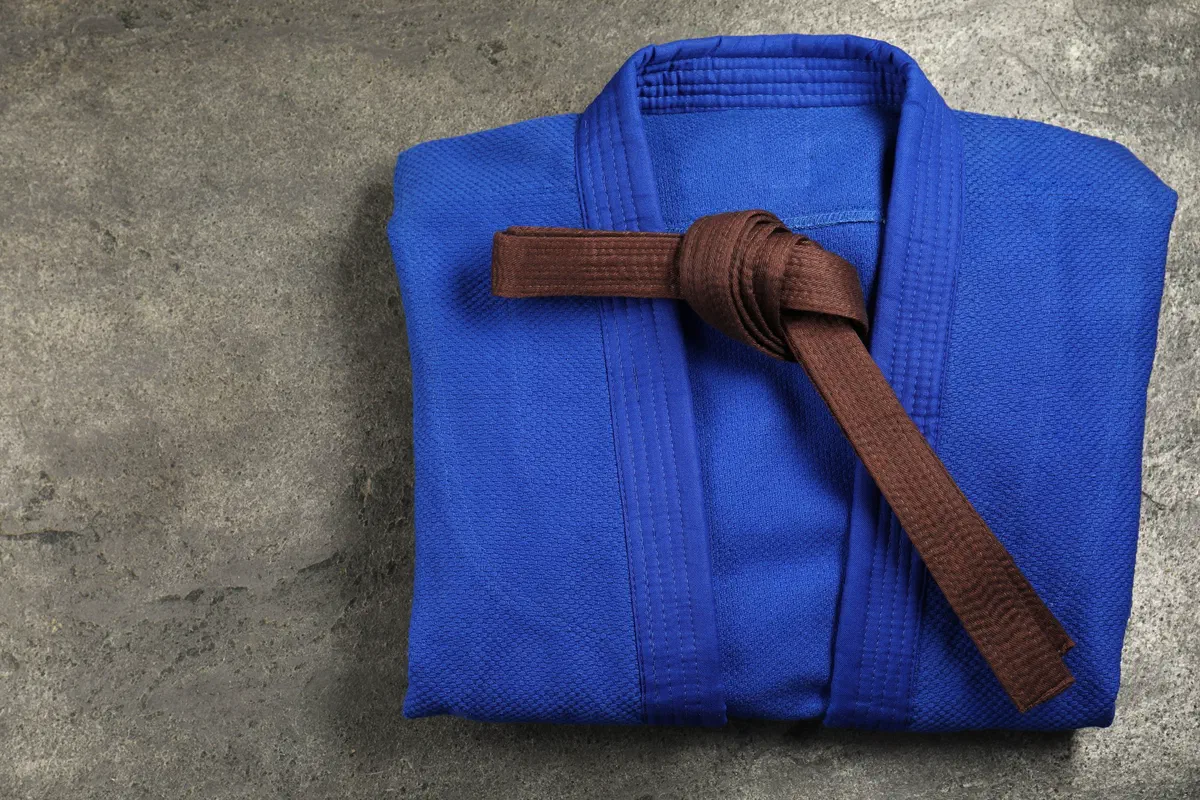
Sooner or later every beginner needs their own gi. The choice looks complicated: weaves, GSM, ounces, sizes with letters. In practice only a few things matter. Here’s what we tell people at the gym.
The short version: if you’re going to keep training jiu-jitsu, buy a jiu-jitsu gi, not a judo one. A light pearl-weave jacket (around 350 GSM) suits most people all year round. Choose the size from the brand’s own chart, and buy from the brand or an official seller. If you plan to compete, check the organiser’s current rules before you buy.
Judo gi or jiu-jitsu gi?
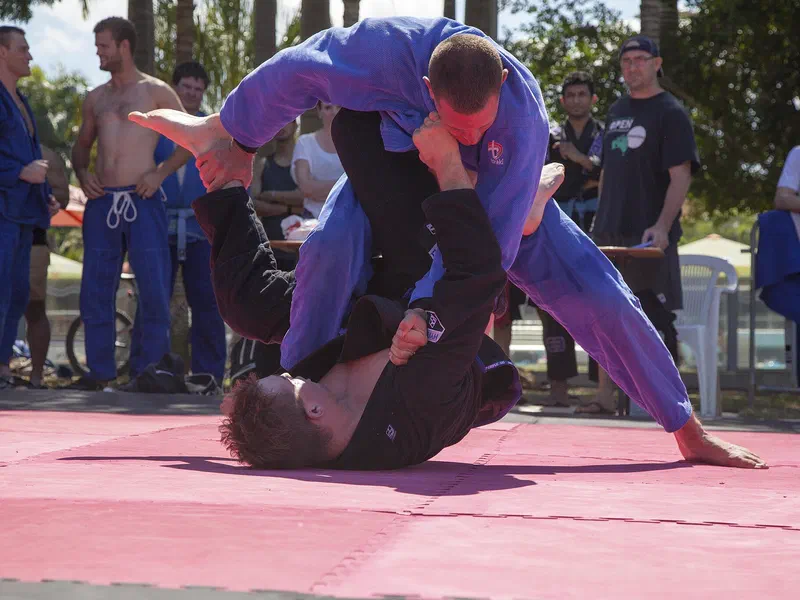
Both are built for grappling, but for different grappling. The main differences are the cut and the length. A judo gi is wider and baggier, with looser sleeves and a longer jacket, because judo is about gripping and throwing standing up. A jiu-jitsu gi is more fitted, so there’s less loose fabric for your partner to grab on the ground.
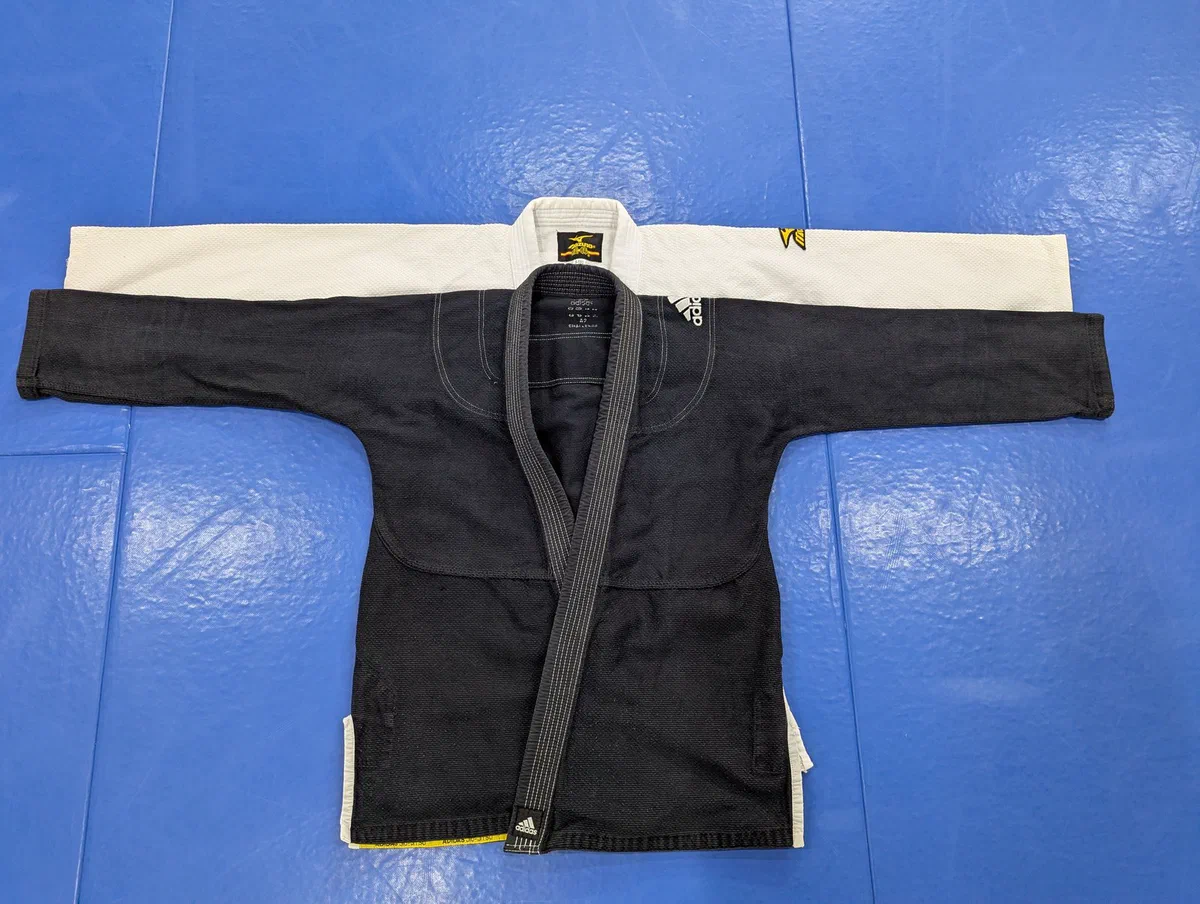
Judo gis come in many weights and cuts. At one end are cheap, soft training gis, usually single weave and cut very baggy. In our experience, a cheap gi with a famous judo brand on it is often a fake: a price far below the official sellers is a warning sign. Cheap blue ones often lose dye in the wash, so wash them separately the first few times; white ones are fine. At the other end are IJF-approved competition gis: very heavy and stiff, around 650–750 GSM, and uncomfortable for rolling on the ground. A typical jiu-jitsu jacket is 350–550 GSM.
Many beginners in Tbilisi start in a judo gi because it’s cheaper and easy to find (we’ve written about costs). For the first months, that’s fine. If you keep training, a jiu-jitsu gi is worth it.
A karate or taekwondo uniform won’t do
People often come from other martial arts, especially kids, and try to train in their old uniform. For grappling, nothing works except a judo or jiu-jitsu gi: not a karate uniform, not a taekwondo one, nothing else. Those are made for something different. They’re usually much lighter, the collar is thin enough to scratch your hands when you grip it, and the light fabric tears easily under a hard pull.
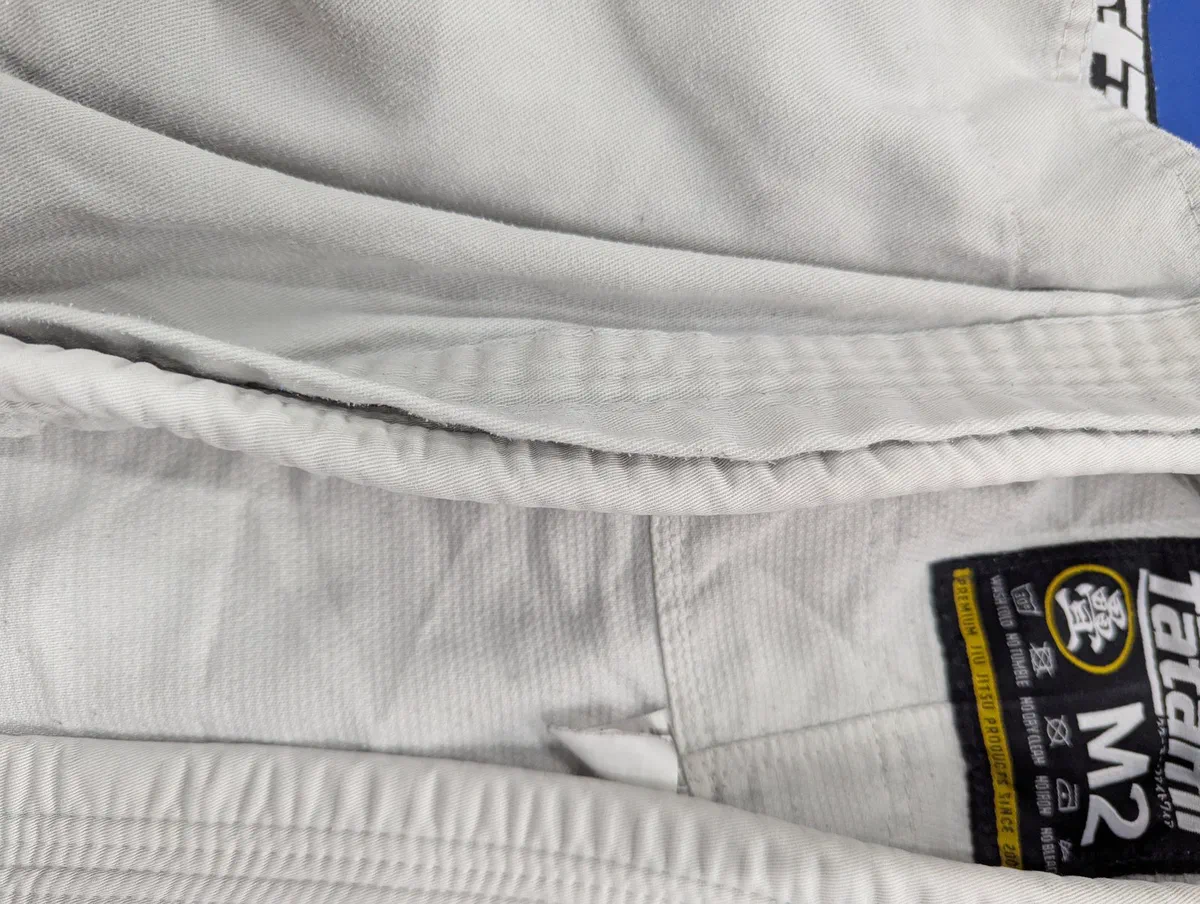
Weaves: what the names mean
The weave is how the fabric is structured. It decides the weight, the strength and the comfort.
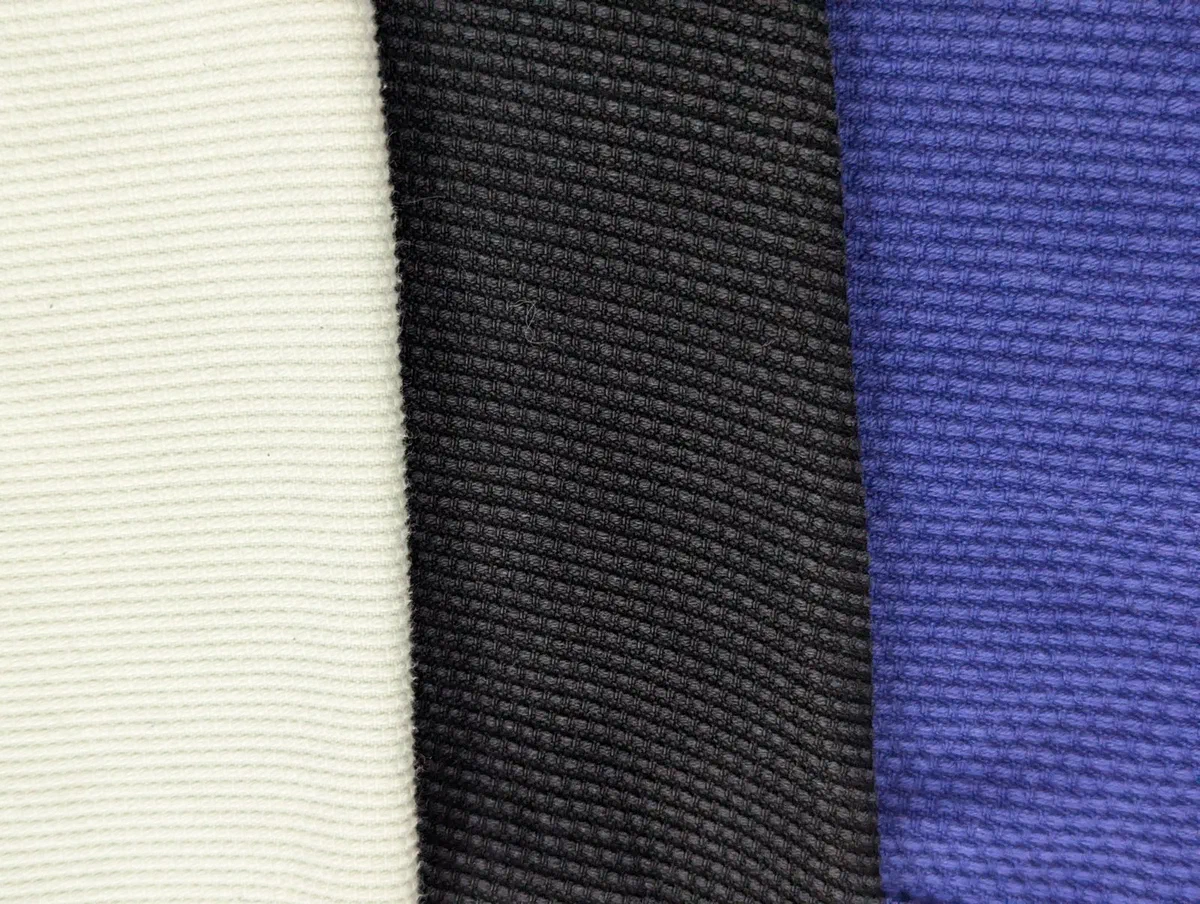
- Pearl weave is the most common today. Light to medium weight, strong enough, comfortable. A reliable starting point for a beginner.
- Single weave is the lightest and cheapest. It’s what cheap judo gis are made of. Older budget jiu-jitsu gis used it too; today pearl weave has mostly replaced it.
- Double weave is about twice as dense: very strong, but heavy and hot.
- Gold weave sits between single and double. It’s durable but heavier; it holds more sweat, gets heavy when wet and dries slowly.
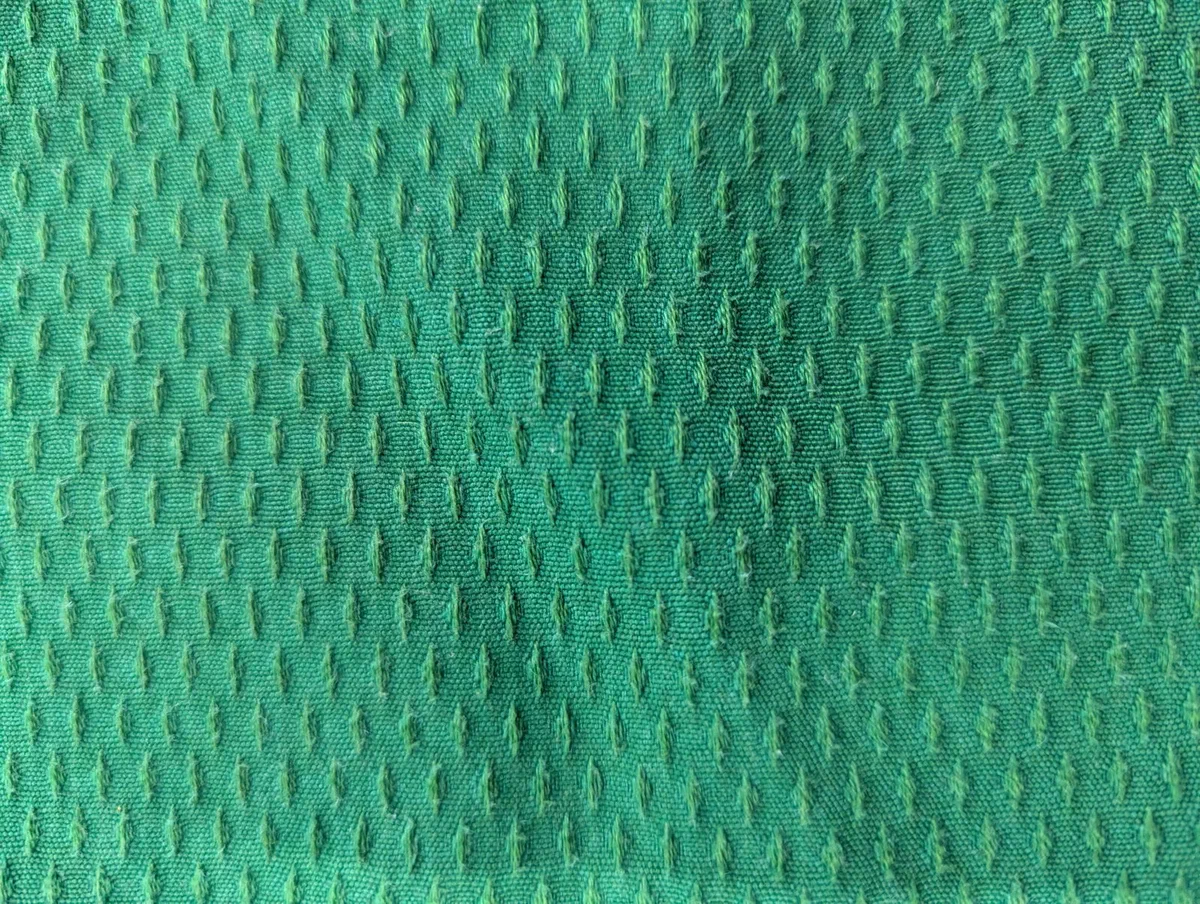
- Ripstop and other special fabrics: some brands make ultralight or unusual jackets (ripstop and other special fabrics). Some are great for training, but not all of them are allowed in competition; see the rules below.
350 or 450 GSM?
GSM is the weight of one square metre of fabric, in grams. The higher the number, the heavier the fabric: as a rule, harder for your partner to grip and more durable, but slower to dry. The lower the number, the lighter the gi: easier to move in and quicker to dry, but also easier to grip. GSM isn’t everything, though: the weave, the cut and the stitching matter too.
350 and 450 are the most common. It’s a matter of preference. In our experience, 350 is the best choice all year round, in Tbilisi’s summer and winter alike. Go for 450 if you want a gi that’s harder to grip.
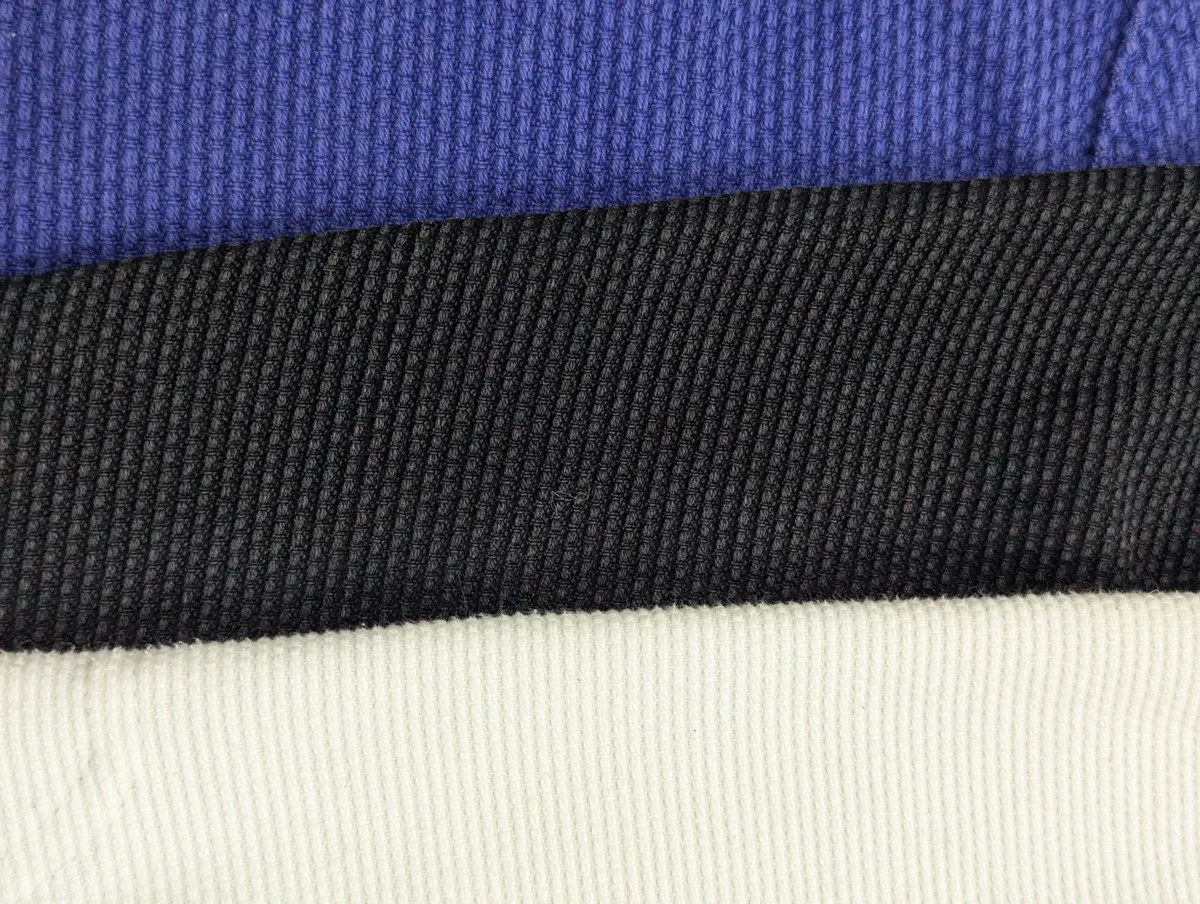
One note for competitors: on paper, AJP requires jacket fabric of 380–650 GSM, and the IBJJF checks uniforms against its official uniform manual, so a 350 GSM gi is a training gi. If you plan to compete, choose a model the maker describes as competition-legal.
The pants: ripstop or cotton twill
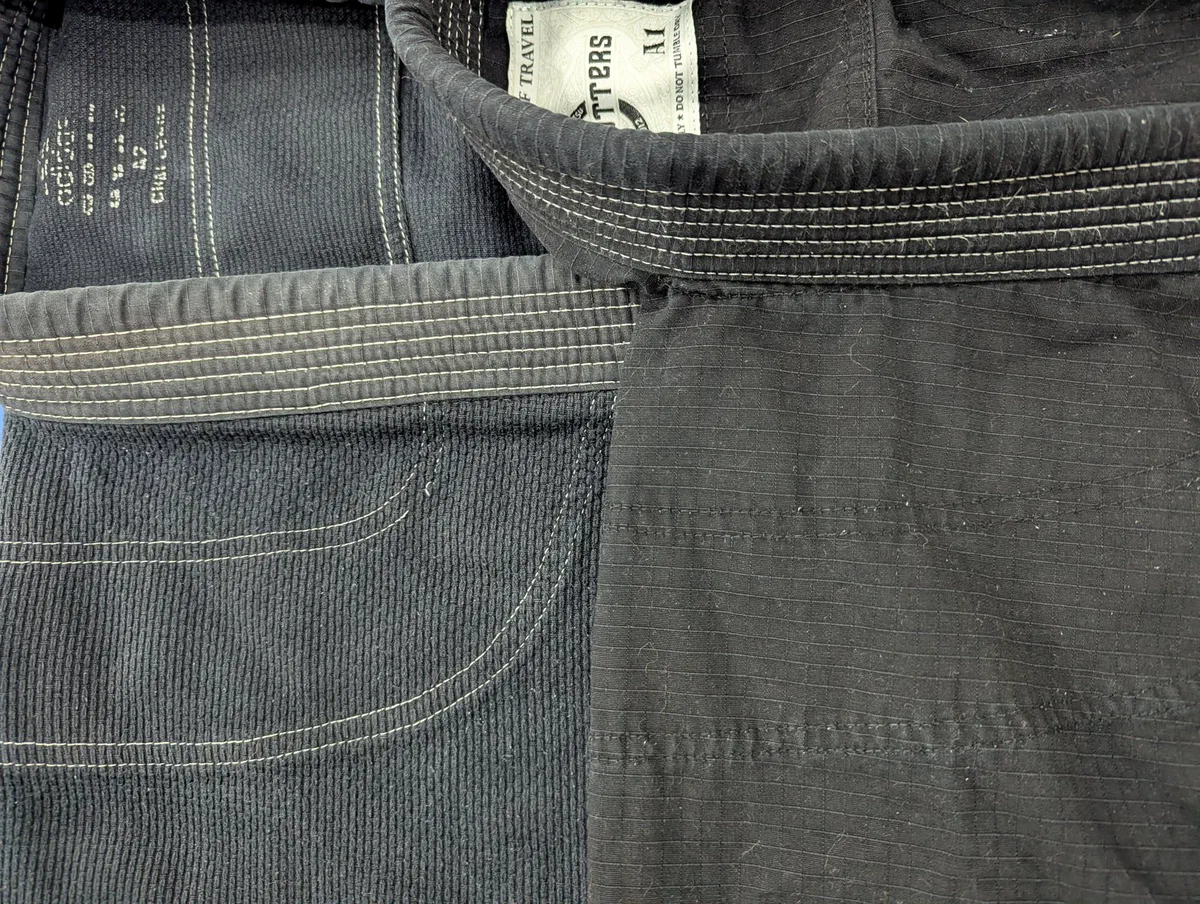
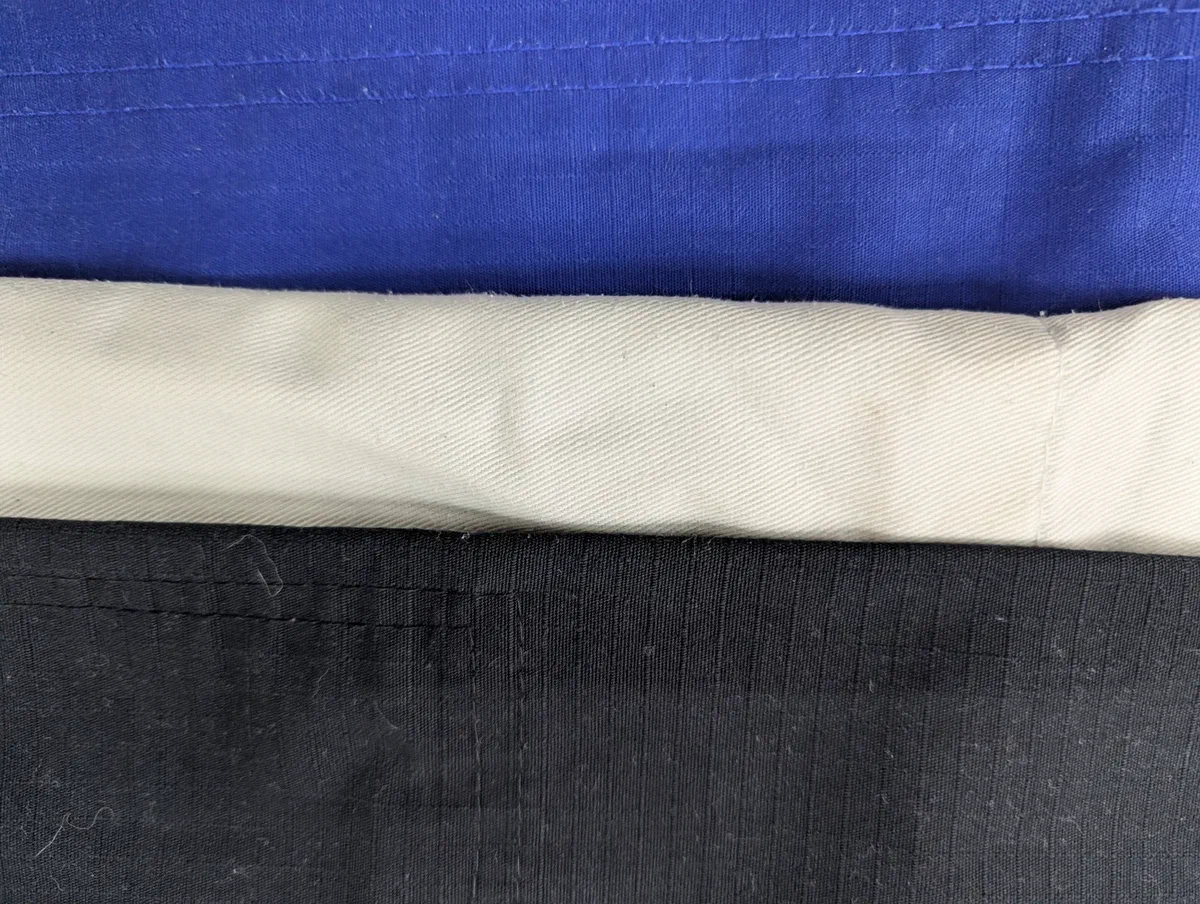
Most gi pants are ripstop or cotton twill, usually 8 oz or 10 oz. Blue and black 8 oz pants are light and fine. White 8 oz pants, though, are often see-through, which nobody enjoys. Our personal take: we’re not fans of ripstop, because it goes stiff when wet; cotton twill is strong and keeps its shape.
Cotton, blends and shrinking
Many brands now use cotton-polyester blends, and some use pure polyester. With today’s fabrics it’s hard to feel the difference, and in our experience both are comfortable. Fake gis sometimes say “100% cotton” when they’re really a blend.
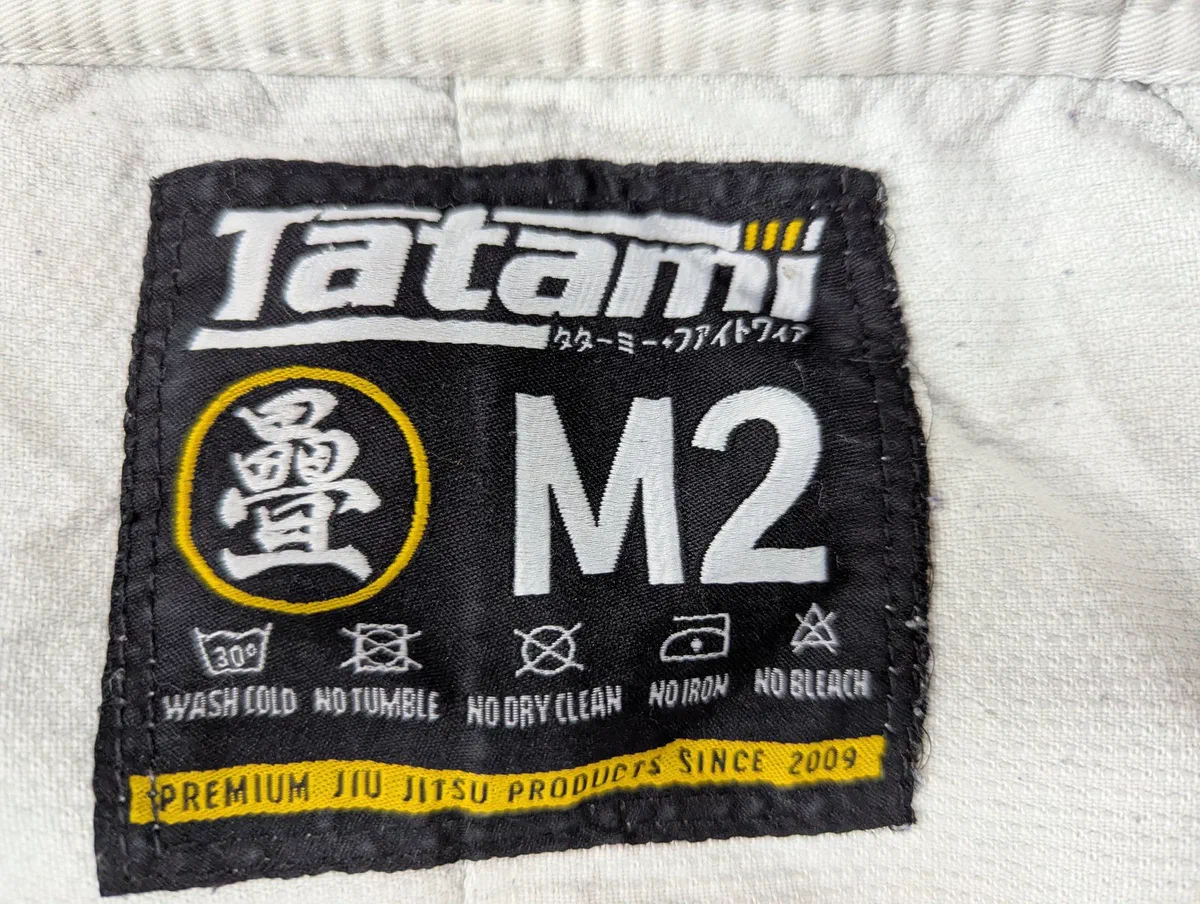
Shrinking matters more. Most jiu-jitsu gis are preshrunk, though they still shrink a little. Some aren’t: the maker of the gi we recommend below says to allow for about 5% shrinkage. Judo gis are usually not preshrunk, and cheap single-weave ones shrink noticeably. Check the label, and if the gi isn’t preshrunk, take that into account when you choose the size.
Wash at 30°C at most, hang it to dry in the shade, and never put it in the tumble dryer. The two things that ruin gis most often are the sun and the dryer. Strong sun weakens cotton and fades the colour. In a tumble dryer, the collar shrinks more than the rest of the jacket, pulls the whole gi up, and most of the time the gi can’t be worn any more. In our experience, adding fabric softener stops a gi from going stiff and tearing. Many brands advise against softener, though, so check your gi’s label.
Sizes: A0 to A6, and the letters after them
Adult sizes run from A0 to A6, smallest to largest (most brands stop at A5). Some sizes have a letter after them:
- L (long): the same width, longer sleeves and pants. For example, A1L is A1 width with A2 length. For people with long arms and legs.
- H (heavy, used by Tatami, for example): the same length, wider in the chest and shoulders. A2H is A2 length with A3 width.
- S: shorter or slimmer, depending on the brand.
Women’s and kids’ sizes also depend on the brand (often F and M). The letters mean different things at different brands, so always check that brand’s own chart.
Women’s cuts are usually narrower in the shoulders, roomier at the hips and a little shorter in the sleeves. Plenty of women still choose men’s or unisex sizes: compare both charts and pick the one that fits your height and weight better.
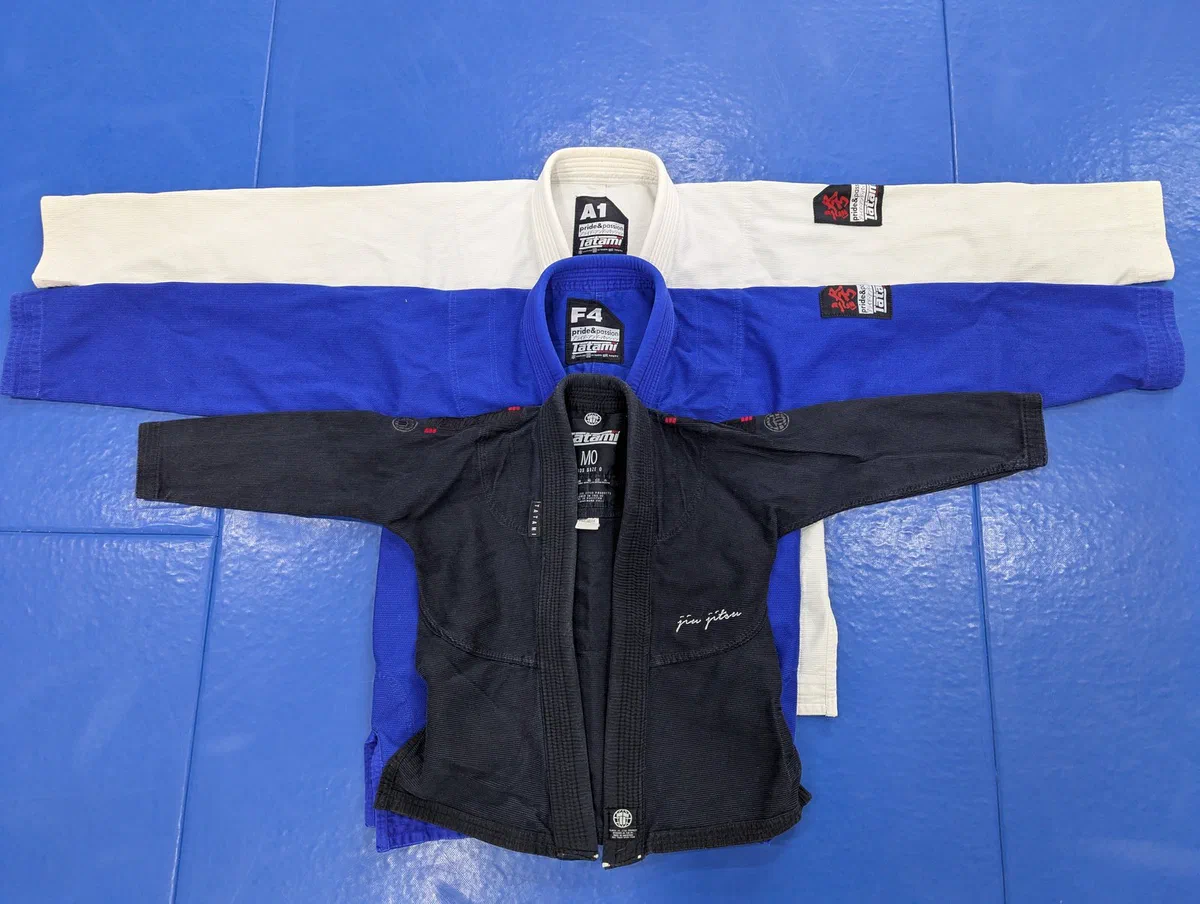
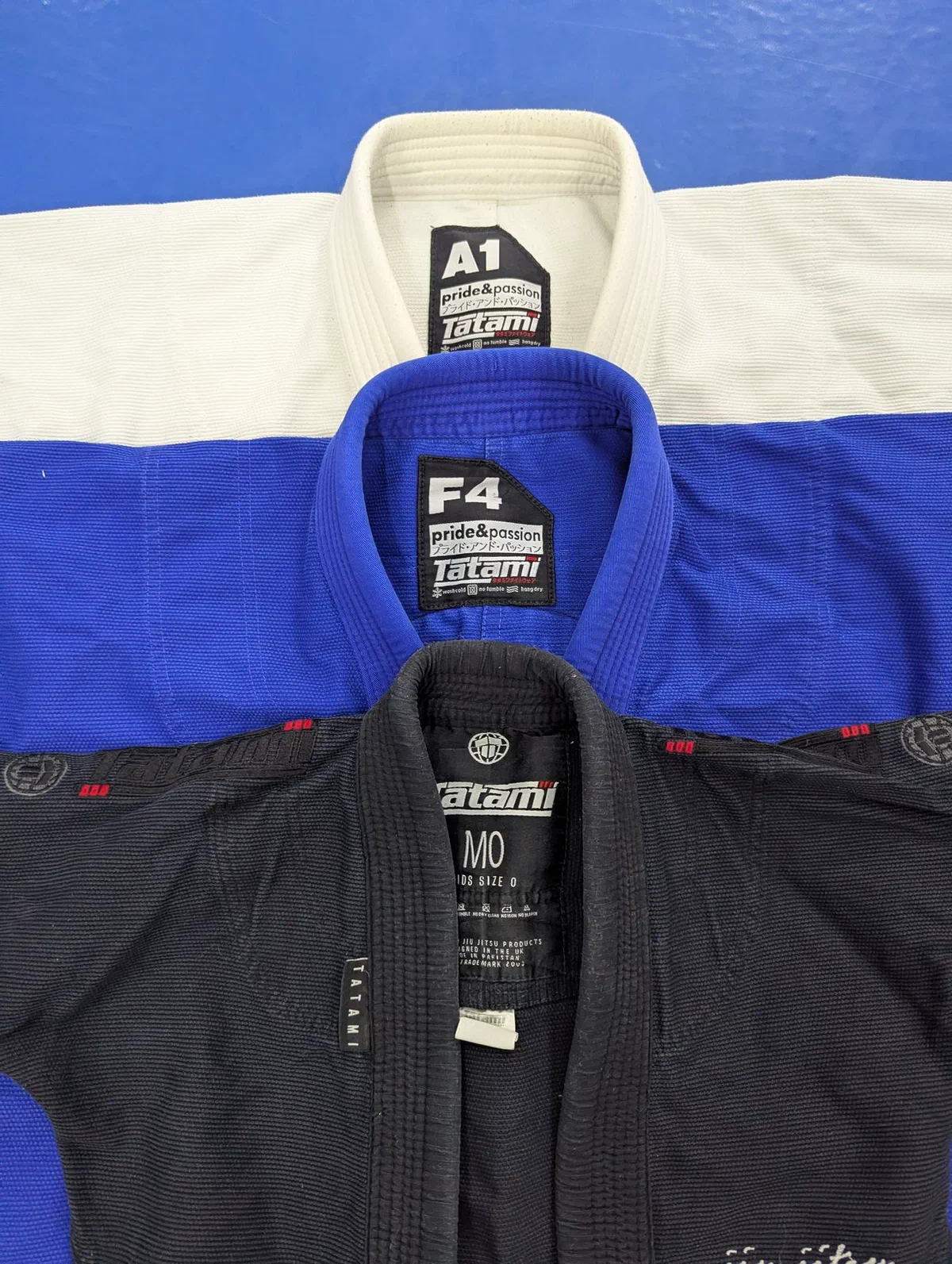
The most common mistake is buying a size too big, usually because people didn’t read the size chart. Most charts are accurate, but one brand’s A2 isn’t exactly another’s. The best tip: read the reviews. Buyers will tell you whether a gi runs small or large.
White, blue or black
White looks the best, but in our experience it shows wear the fastest: it yellows, it stains (blood, mat dirt), and thin white fabric can be see-through. Wash it after every session, don’t leave it wet in your bag, and don’t use chlorine bleach: it weakens cotton and can even turn it yellow. Blue and black hide dirt. Wash a cheap blue gi separately the first few times, because it can bleed dye.
Competition rules, briefly
At IBJJF and AJP events, a gi must be:
- made of cotton or cotton-like woven fabric, not so thick or stiff that it can’t be gripped, with jacket fabric of 380–650 GSM (AJP);
- white, royal blue or black, in one colour (jacket, pants and collar the same);
- with sleeves reaching close to the wrist with the arm straight, and pants close to the ankle bone: within 2 cm at the IBJJF, within 5 cm at AJP;
- with patches only sewn on and only in the allowed areas;
- free of tears and repairs, clean and dry.
Colourful, patterned gis are great for training, but not for competition. Rules change, so always check the source before a competition: the IBJJF uniform rules and the AJP uniform policies.
How to avoid fakes
Honestly, you usually can’t tell by looking. Some cheap, unofficial gis look just like well-known brands, but their quality control, fabric and stitching can vary a lot. The safest option is to buy from the brand’s own store or an official seller. Compare the model code, labels and price with the official product page: a price far below normal is a warning sign.
Our pick: Tatami Fightwear Nova Absolute
In our experience, the best quality for the price is Tatami Fightwear’s Nova Absolute. On 17 October 2026 the brand’s site listed it at £48.30 (normally £69), with a free white belt. Sale prices change often, so check the price before you order.
- Jacket: 350 GSM pearl weave; pants: 10 oz cotton
- Fabric: 52% cotton, 48% polyester
- Colours: black, white, blue
- Sizes: A0–A6, including L, S and H versions
- Not preshrunk: the maker says to allow for about 5% shrinkage
It’s a training gi: its jacket is 350 GSM, below AJP’s 380 GSM minimum. For competition, choose a different model. Nova Absolute on Tatami’s site.
Many people also buy Elite Sports gis on Amazon and bring them in from the US. That’s a reasonable option, but in our personal opinion Tatami is better in both cut and quality.
How to get it to Georgia
Tatami ships from the UK. The easiest route is a forwarding company with a UK warehouse, such as Kiwi Post. It works like the services that bring parcels from the US: you register, get a UK address, have your order sent there, and they deliver the parcel to Georgia. According to Kiwi Post’s site (checked 17 October), delivery from their UK warehouse takes 4–7 days and costs £8 (per kilogram). Including the time for your order to reach the warehouse, allow about 10 days to two weeks in total.
Customs: a parcel for a private person worth up to 300 ₾ (usually including delivery) and weighing up to 30 kg is tax-free. Above that, you pay 18% VAT and a declaration fee. One gi stays well under the limit; two gis in one parcel may go over it. Check the current rules on the Revenue Service site.
A rough total at 17 October prices: £48 for the gi plus about £12–16 for forwarding, so around £60–65, roughly 210–230 ₾ at that day’s rate (plus delivery to the warehouse, if the shop charges for it). Check current prices before you order.
We name Kiwi Post because we use it ourselves and have had no problems at all. There are a few other companies in Georgia that bring parcels from the UK, but we don’t know them well enough to recommend them. We don’t get anything from Tatami or Kiwi Post for this recommendation.
The short version
- If you keep training, buy a jiu-jitsu gi, not a judo one. A karate or taekwondo uniform won’t work at all.
- For training, pearl weave around 350 GSM (450 if you want it harder to grip); for competition, 380 GSM or more.
- Choose the size from the brand’s chart and the reviews; don’t size up “just in case”, but do allow for shrinkage.
- Avoid white 8 oz pants.
- Wash at 30°C at most, hang dry in the shade, no tumble dryer.
- Buy from an official store.
- Planning to compete? Check the IBJJF and AJP rules.