Jiu-jitsu, judo, chidaoba or sambo: what's the difference, and which is right for your child?
Four grappling sports, explained the way a coach would at the gym: what each one emphasises, what training may cost, how classes differ, and whether a child can combine two.
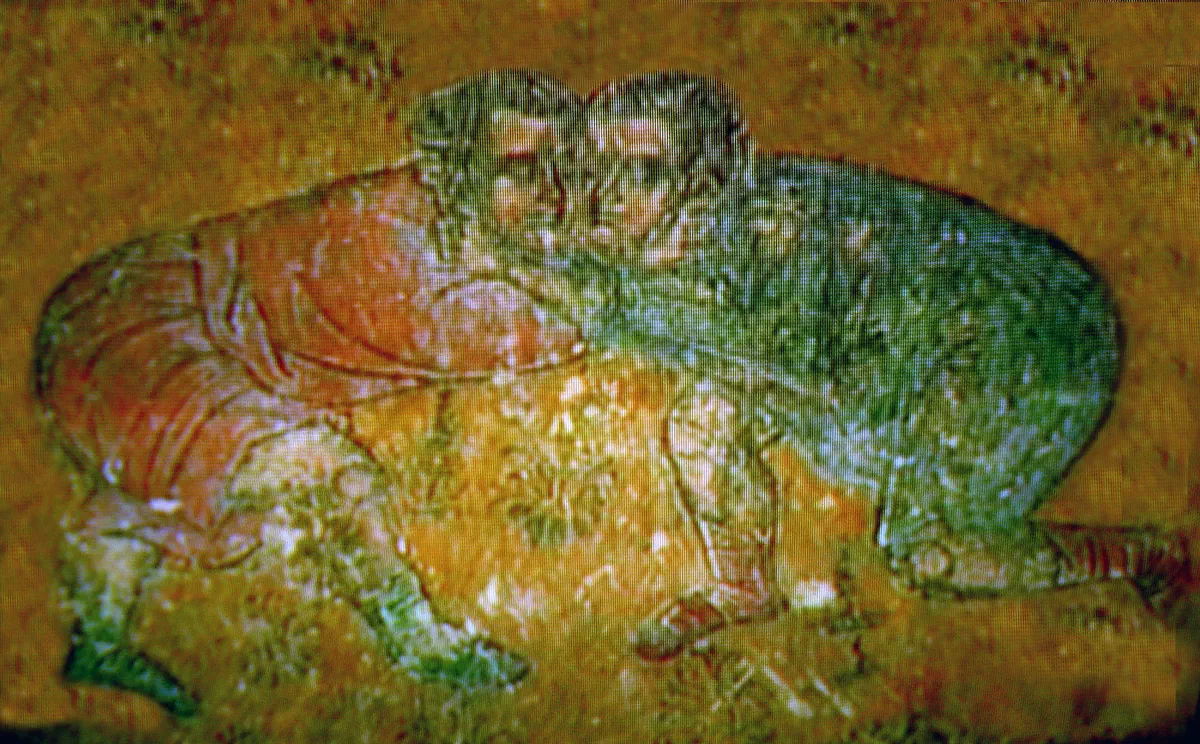

Children in Georgia can choose from several strong grappling traditions: jiu-jitsu, judo, chidaoba and sport sambo. What’s available depends on your city and region. Parents often ask us which one is best. Here’s how we explain the differences, and what really decides the choice.
The short version
All four are grappling sports. Under the rules discussed here, you don’t strike your partner; the aim is to control, throw, pin or submit them. The rules decide which skills get the most training time.
Jiu-jitsu spends a lot of time on the ground: positions, escapes, chokes and joint locks. Matches start standing and takedowns matter, but most academies spend the bulk of their training on groundwork. It isn’t an Olympic sport. Competitions are run by several international and local organisations rather than one governing body.
Judo first appeared at the Olympics in 1964 and puts a strong emphasis on standing: grips, breaking balance and throws. Groundwork is part of it too, and a match can end with a clean throw, a pin, a choke or an elbow lock. Georgia has a strong international record in judo.
Chidaoba is Georgia’s traditional wrestling. Bouts are fought standing, in a special chokha, to zurna and doli music, with around two hundred holds and counter-holds. In 2018 it was added to UNESCO’s list of the Intangible Cultural Heritage of Humanity.
Sport sambo combines standing and groundwork: throws, pins, armlocks and leg locks, but no chokes. Its international federation, FIAS, was fully recognised by the International Olympic Committee in 2021, but sambo isn’t part of the Olympic Games.
Which is right for your child?
It depends on what your child enjoys, what the nearby programme is like, and what you want from it: just being active, competing, standing skills, groundwork, or a mix.
As jiu-jitsu coaches, if you want one sport that covers standing and the ground and teaches submissions, we’d say jiu-jitsu. But sport sambo combines both too, and a strong base in judo or wrestling complements jiu-jitsu very well.
In our experience, many judo, sambo and chidaoba programmes in Georgia are built around finding future competitors, while most jiu-jitsu gyms train people who’ll never compete. That isn’t true of every club, so ask the coach what your child’s group is actually for.
Often the honest answer is: pick good training that your family can get to regularly. If there’s no jiu-jitsu nearby, a good judo, sport sambo or chidaoba coach will give your child a lot. In our opinion, grappling is one of the best things a child can do as a sport, and any grappling art counts. After a trial class, ask your child where they felt safe and where they want to go back.
Price, and what you get for it
Prices in Georgia depend on the city, the gym, how it’s funded, how many sessions a week and what equipment is needed. Some municipal or federation programmes in judo, sambo or chidaoba are free or subsidised. Private academies, including most jiu-jitsu gyms, charge a monthly fee, and not every family can afford it.
What we’ve seen in big, heavily subsidised halls is a different model: take as many children as possible and select the few who will compete at the top. That model has produced plenty of medals. A private academy can work differently. When our groups are full, we stop taking new children, because past a certain number a class stops being training and turns into children running around.
Price alone doesn’t tell you how much attention your child will get, and conditions vary a lot in both kinds of gym. Before signing up, watch a full class. Look at how clean the room is, the state of the mats, how many coaches there are for how many children, how children are paired, the safety rules, and how the coach speaks to a child after a mistake.
Can a child combine two?
Yes, as long as the total training suits your child’s age and recovery. The sports complement each other: chidaoba is fought standing, judo is mostly throws with some groundwork, sport sambo works both standing and on the ground, and jiu-jitsu usually spends the most time on groundwork and submissions. Plenty of children move from judo to jiu-jitsu, and some do both. Judo or wrestling experience usually gives a child good grips, balance and takedowns that carry straight over to jiu-jitsu.
The most important thing
Any sport is good for a child. Some teach more discipline, some more self-defence, but every one of them gives a child something. If you’ve decided on martial arts, any martial art is good. If you’ve decided on grappling, any grappling art is good. What matters most is the place itself: the coach, the group, the safety rules, and whether your child wants to go back.